
Classical · attention and precision
More attention in every movement
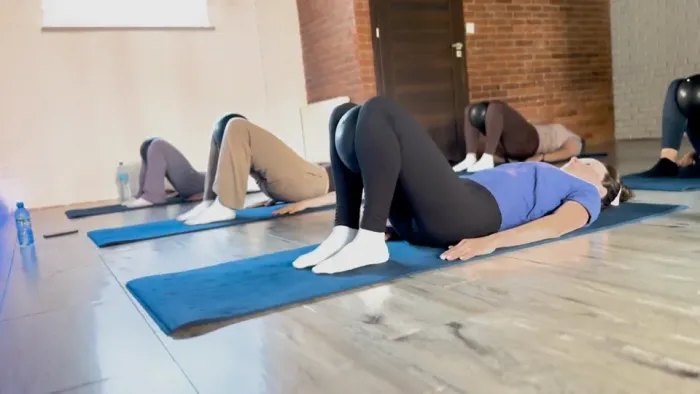
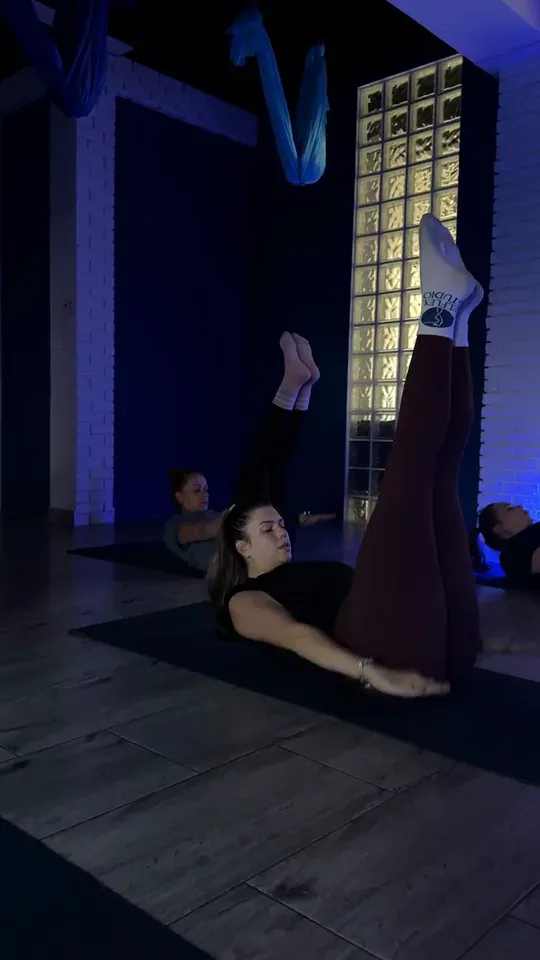
On the mat, how you move matters as much as the movement itself. A steadier pace leaves time to find your position, breathe and respond to your instructor’s cue.
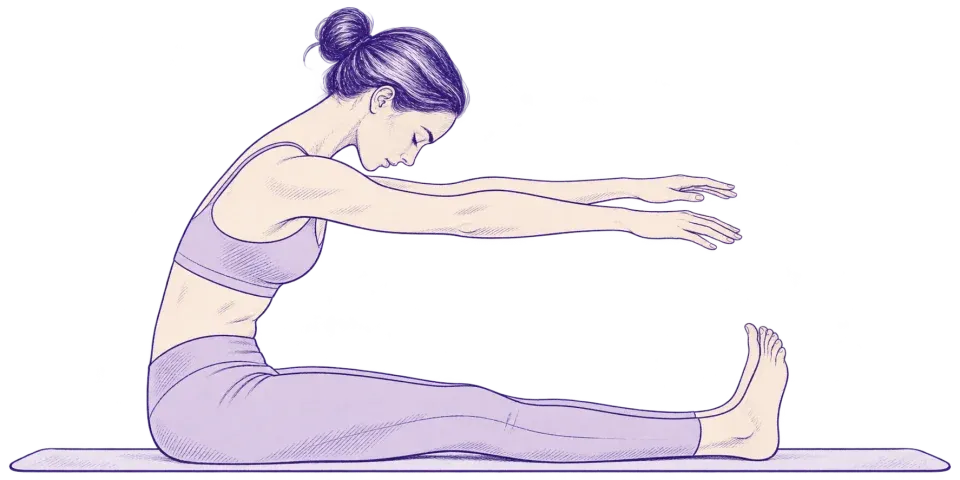
34exercises in the original book[1]
Joseph Pilates and William J. Miller described them in Return to Life Through Contrology in 1945. This is the method’s history, not a required checklist for every class.
6principles that guide practice[2]
Concentration, control, centering, flow, precision and breath. Friedman and Eisen described this familiar framework in 1980.
Notice your position
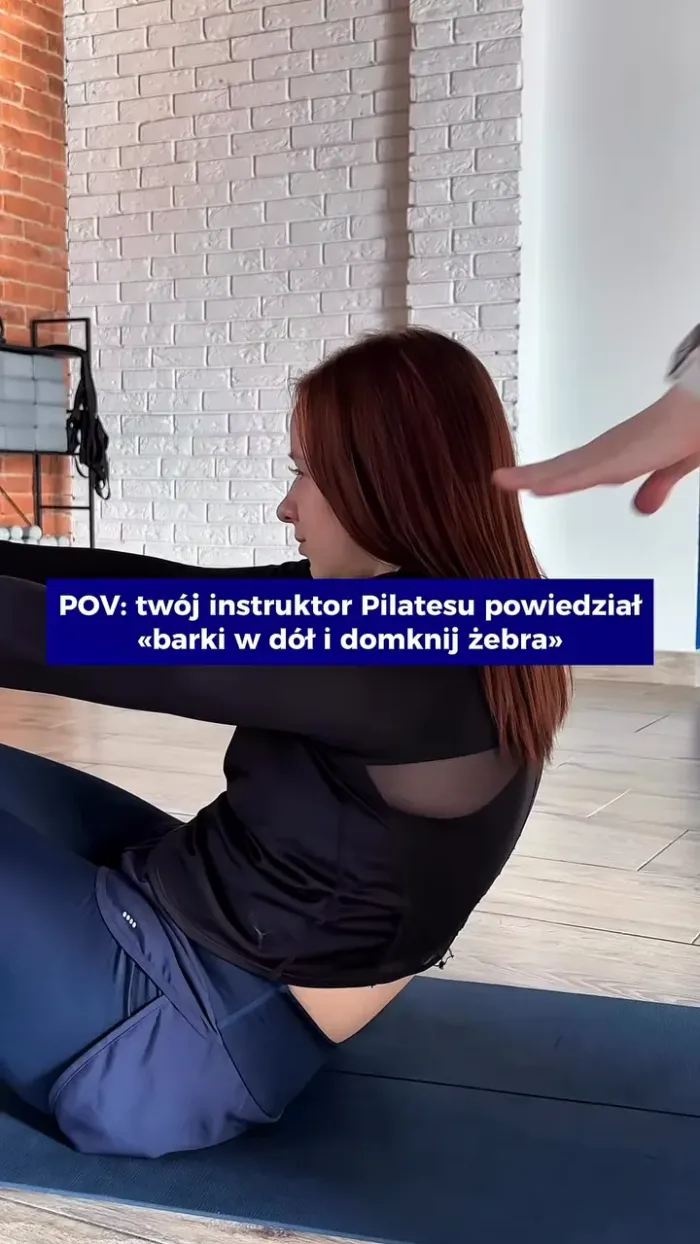
Start with your position and the instructor’s cue. There is time to ask which part of the movement deserves your attention.
Guide the movement
Choose a range you can control. Precision does not require the largest movement or the fastest pace.
Connect with breath
Gradually bring movement and breathing into a flowing sequence. Each repetition is a chance for a small adjustment.
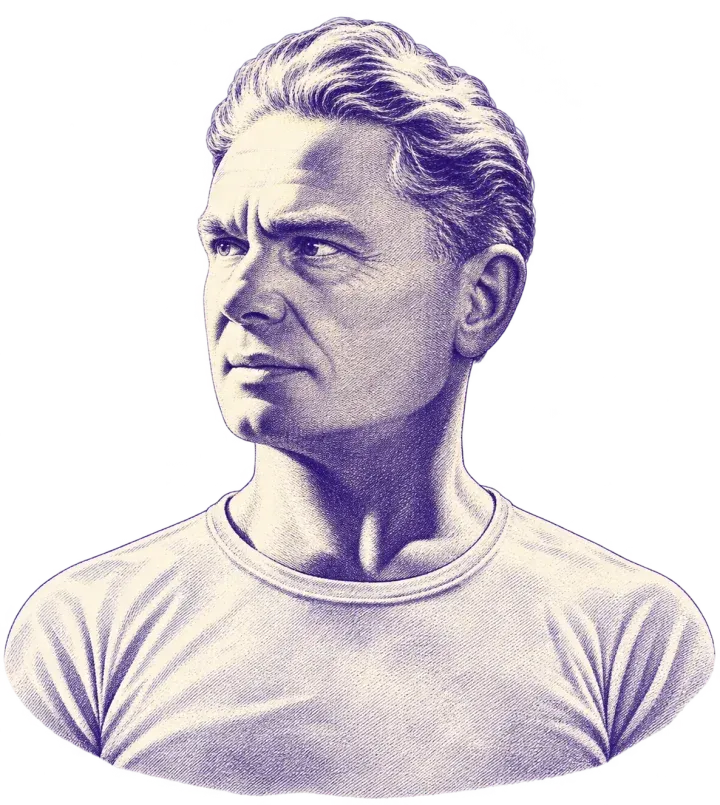
In the founder’s words
“Physical fitness is the first requisite of happiness.”[3]